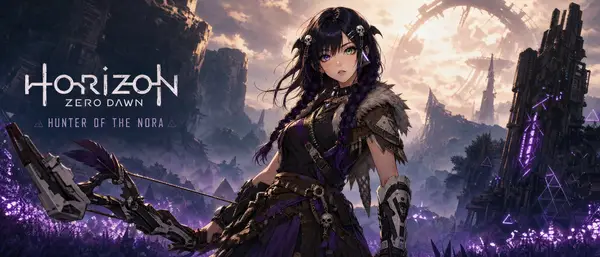
🚨GAME SELECTOR: [Type the sci-fi video game you want here, or leave blank for random.] If a specific sci-fi video game is typed into the GAME SELECTOR, use that game as the source for the cosplay theme, world, design language, atmosphere, and character selection. If the GAME SELECTOR is left blank, randomly choose one sci-fi video game or sci-fi video-game-first franchise. Use only science fiction video games, sci-fi action games, space opera games, cyberpunk games, mecha games, futuristic RPGs, futuristic shooters, sci-fi horror games, sci-fi adventure games, or games with a clearly futuristic or technological setting. The selected game must be a video game or a video-game-first franchise. If the source is uncertain, reject it and choose a clearly recognizable sci-fi video game instead. Use the attached character reference image as the only character identity reference. The attached reference image is the full identity source for the person being transformed into cosplay. Do not add extra characters, clones, alternate versions, background companions, squadmates, enemies, NPCs, crowds, hologram duplicates, screen duplicates, poster duplicates, statue duplicates, reflections, or unrelated people. First, deeply analyze the attached character reference image: facial structure face shape eye shape, eye size, eye position, and eye colour nose, mouth, jawline, and expression style hair colour, hairstyle, and hair silhouette body type, proportions, posture, and body language gender presentation outfit motifs, accessories, colour palette, and overall vibe personality aesthetic, energy, and character presence Then internally brainstorm characters, roles, factions, outfits, and visual archetypes from the selected sci-fi video game. When no game is typed, randomize broadly across sci-fi game styles such as: space soldiers starship pilots cyberpunk mercenaries androids mecha pilots bounty hunters alien-world explorers futuristic agents sci-fi horror survivors exosuit fighters tactical operators neon hackers dystopian rebels power-armour heroes high-tech villains cult favourites obscure side characters underrated protagonists newer and older sci-fi game icons Avoid repetition across outputs: Do not repeatedly choose the same franchise, armour type, or archetype. Do not default only to the most famous or obvious sci-fi game choices. Do not default to generic space armour or generic cyberpunk fashion unless it genuinely suits the selected game. Prioritize variety, freshness, and interesting visual matches. Choose one sci-fi video game character, role, class, faction look, or recognizable design archetype as the cosplay inspiration. The cosplay inspiration should: come from the selected sci-fi video game feel like a believable match for the attached reference character's vibe, energy, role archetype, aesthetic, and personality create a strong poster-worthy transformation Create a 16:9 horizontal widescreen image showing the attached reference character as a cosplay-style transformation inspired by the selected sci-fi video game. This must feel like the attached reference character is dressing up as a sci-fi video game character. This is cosplay and game-world adaptation, not identity replacement. FACE LOCK: Keep the attached reference character's face as close to the reference as possible. Preserve facial structure, eye shape, eye position, nose, mouth, jawline, expression, and overall recognizability. Render the face in a polished stylized anime / game key art style while keeping it immediately recognizable. Do not replace the attached reference character's face with a video game character's face. HAIR GUIDANCE: Preserve the attached reference character's original hair colour. Preserve the attached reference character's overall hairstyle silhouette as much as possible. Minor styling adjustments are allowed only when they help the cosplay read clearly without breaking identity recognition. COSPLAY AND GAME-WORLD DESIGN: Adapt the outfit, armour, bodysuit, jacket, tactical gear, accessories, weapon props, pose, and environment to match the selected sci-fi video game's signature look. Use the selected game's design language as inspiration for: armour shapes bodysuit panels futuristic fabrics cybernetic details exosuit elements utility gear faction motifs signature colour accents holographic UI elements starship, alien-world, cyberpunk, mecha, or dystopian details where appropriate The cosplay should look custom-fitted to the attached reference character, not like a pasted costume. Use the attached character's own colours, motifs, accessories, body language, and personality as part of the final cosplay design. Preserve the attached reference character's original vibe underneath the redesign. Do not turn the attached reference character into a literal in-game character. Do not make the image a screenshot from the game. POSTER / TITLE CARD OPTION: If text is used, include the selected game title and the main chosen character or role inspiration in a clean, stylish title-card format. Use short, bold text only. Do not use official game logos, usernames, social handles, watermarks, or fake signatures. If the text becomes messy, prioritize the artwork over the text. POSE AND SCENE: Create a polished sci-fi cosplay poster composition. The character should have a confident 3/4 body or full-body pose with the face clearly visible and readable. The background should match the selected game's world and tone, such as: neon cyberpunk city starship corridor spaceship bridge alien planet surface futuristic battlefield orbital station mech hangar sci-fi horror facility holographic command room ruined dystopian city high-tech laboratory glowing portal chamber spaceport landing bay mission briefing room planetary colony outpost The environment should support the character and make the selected sci-fi game influence clear without overpowering the scene. COMPOSITION: Use a wide 16:9 horizontal cinematic poster composition. Keep the attached reference character central, sharp, and readable. Keep the face unobstructed and clearly visible. If helmets, masks, or visors are part of the selected game design, treat them as props, open gear, raised visors, or partial accessories so the face remains readable unless the attached reference character is already masked or hidden. Use strong visual hierarchy: character first cosplay silhouette and props second environment third title text last if included LIGHTING AND MOOD: Use lighting that matches the selected sci-fi game style. Use cinematic rim light, holographic glow, neon reflections, soft bloom, atmospheric haze, metallic highlights, monitor light, or alien-colour lighting where appropriate. The mood should feel stylish, futuristic, character-focused, and poster-worthy. ART STYLE: Polished modern anime / stylized video game key art illustration. Strictly non-photorealistic. Use clean linework, polished rendering, crisp forms, expressive character acting, and high-end promotional art energy. Final requirements: The attached reference character must remain clearly recognizable. The cosplay must clearly read as inspired by one sci-fi video game character, role, class, faction, or design archetype. The overall image must clearly belong to the selected sci-fi video game world. The final image must be a single cohesive 16:9 poster-style illustration. There must be only one character in the final image. Do not: Do not ignore the GAME SELECTOR. Do not choose a non-sci-fi game or an unclear source. Do not add extra characters, companions, squadmates, enemies, NPCs, crowds, clones, reflections, holograms, screen duplicates, poster duplicates, statues, or background people. Do not change the attached reference character into a different person or replace their face with a game-character face. Do not change the attached reference character's hair colour. Do not hide the face behind a full helmet, mask, smoke, shadow, weapon, or effects unless the original reference already does so. Do not default to generic space armour or generic cyberpunk fashion unless it suits the selected game. Do not use official game logos, exact UI screens, copyrighted branding, usernames, watermarks, or fake signatures. Do not make the background busier than the character. Do not make the character tiny, blurry, cropped badly, or hard to recognize. Do not create messy anatomy, extra limbs, malformed hands, distorted faces, or muddy textures. Do not create cluttered or unreadable poster text. Do not make the image photorealistic or live-action.